
RETAIL PACKAGING FOR BAR SOAP
Custom Soap Box Packaging for Retail Brands
Cartons, sleeves and gift boxes developed around the finished bar, wrapping method, scent, handling environment and retail presentation.
Best for: Wrapped and unwrapped bar formats · Artisan and retail soap lines · Soap sets and seasonal gifting
PRODUCT
Bar size, shape and wrap
FORMAT
Carton, sleeve or window
EXPOSURE
Moisture, oil and fragrance
PACKING
Manual or production-line load
QUICK ANSWER
What should buyers specify first?
Custom soap box packaging should fit the finished bar and its primary wrap without crushing edges or leaving excessive movement. Buyers need to define the bar dimensions and variation, moisture or oil exposure, fragrance, ventilation or window goal, required information panels and packing method before selecting paperboard and closure.
Important limitation: A paper carton does not replace curing, primary wrapping, moisture control or cosmetic-product labeling review. Unwrapped bars and oil-rich formulas require project-specific material and contact evaluation.
COMPARE PRACTICAL STRUCTURES
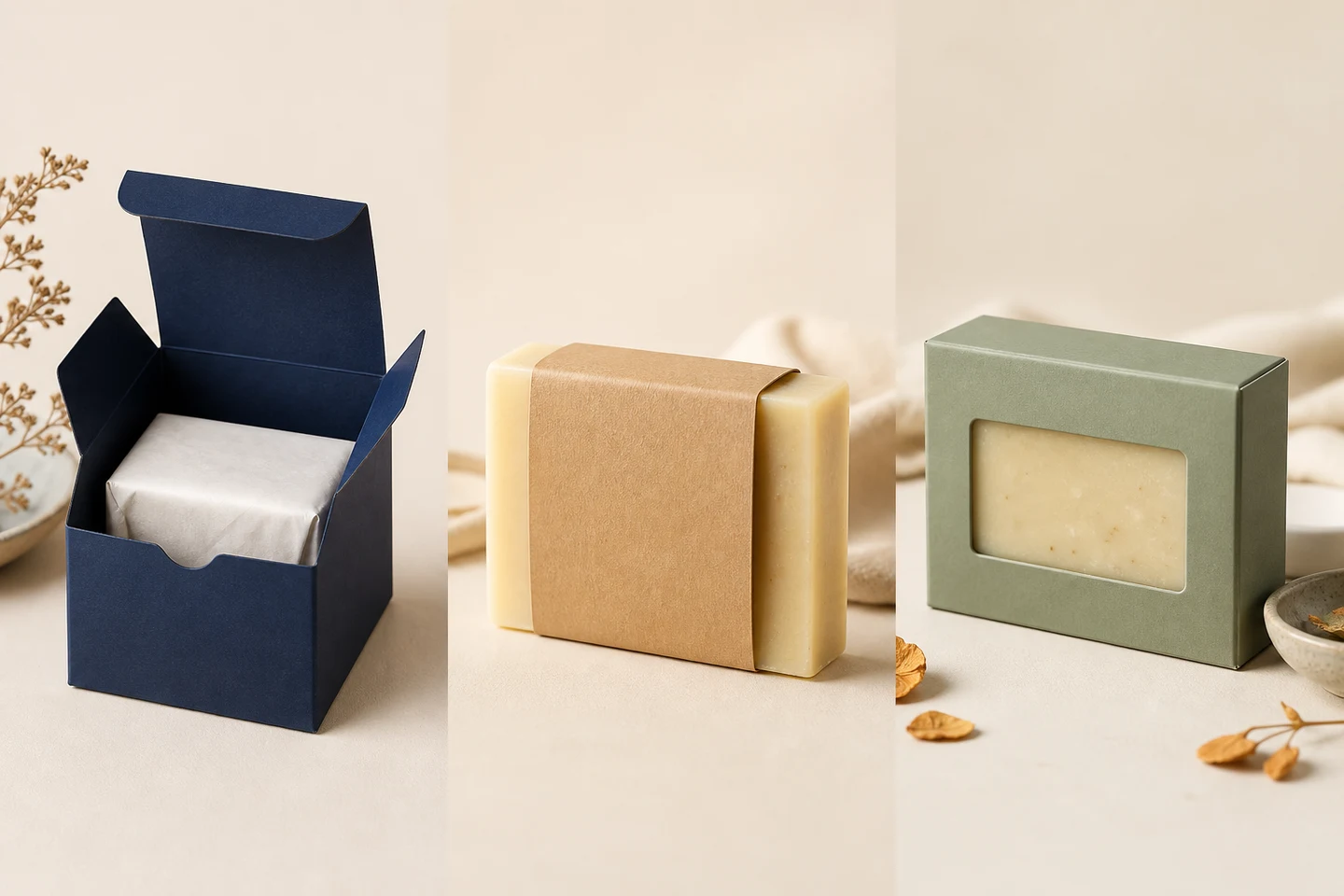
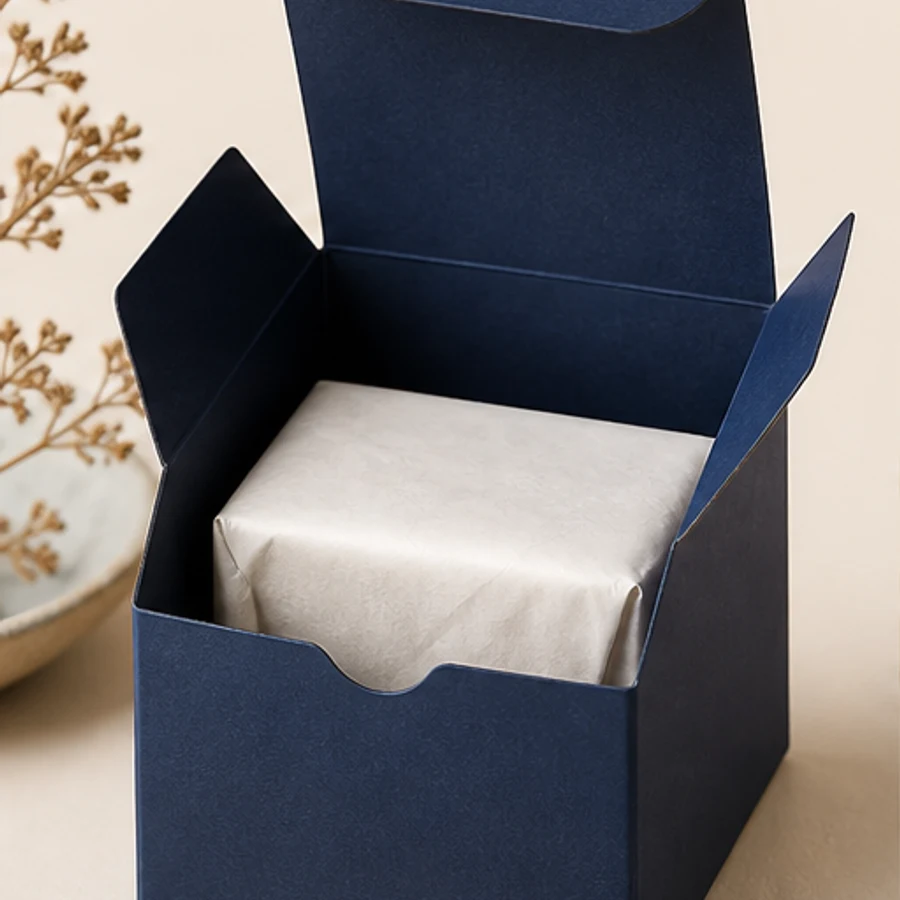
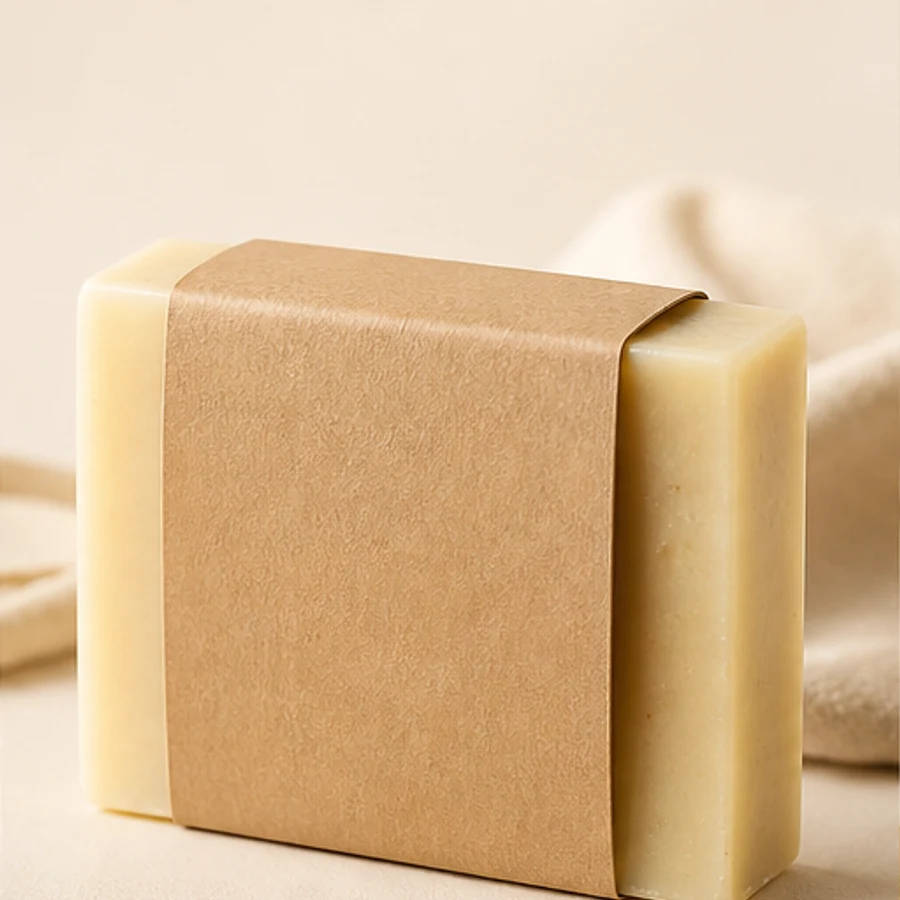
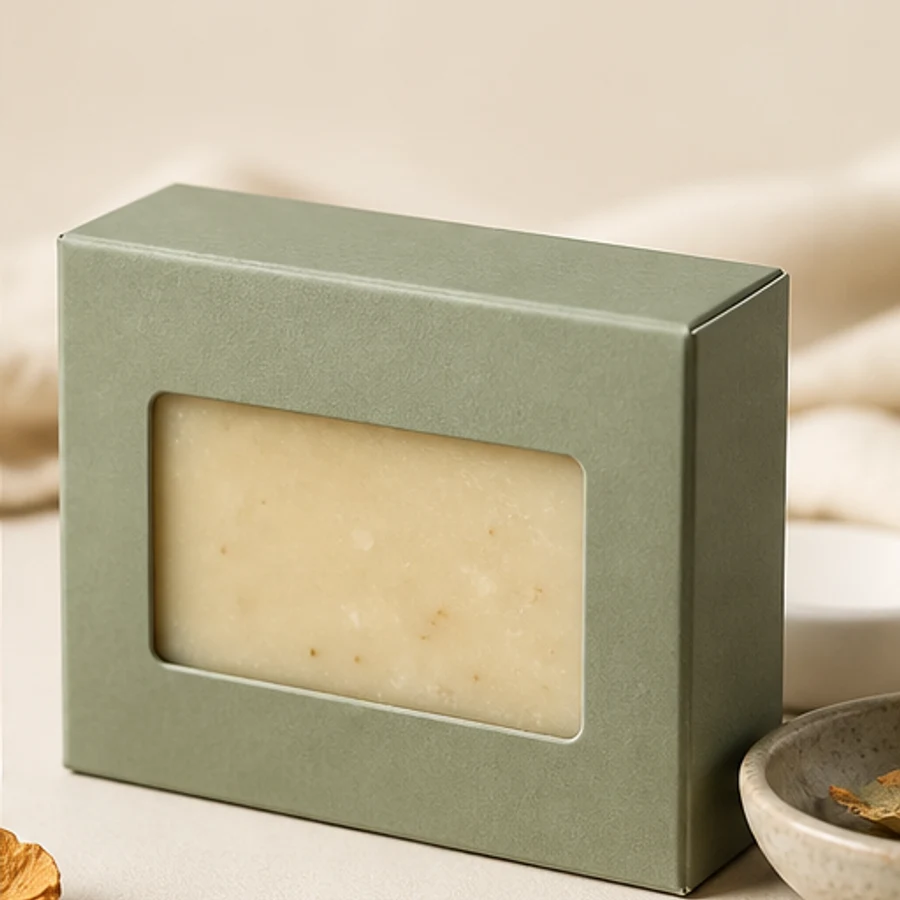
Three packaging routes for this product category
Choose from the packed product, sales channel and delivery route. Decoration comes after the structure can be loaded, handled and approved.
MATERIAL AND PRODUCT FIT
Select the board from the packed product
SBS, folding boxboard and kraft papers offer different print surfaces, stiffness and brand cues. The correct choice depends on bar weight, oils, moisture, primary wrap and expected shelf environment. Natural kraft changes printed color; coated white board supports brighter graphics but does not automatically solve product contact or moisture exposure.
Prioritize product name, scent, weight, instructions and required ingredient or market copy supplied by the brand. Foil, embossing and coatings can add emphasis, but large solid inks and film finishes should be reviewed for scuffing, folds and the desired material pathway.
Four decisions before artwork
Choose the structure
Custom soap box packaging should fit the finished bar and its primary wrap without crushing edges or leaving excessive movement.
Specify the material
SBS, folding boxboard and kraft papers offer different print surfaces, stiffness and brand cues.
Plan print and information
Prioritize product name, scent, weight, instructions and required ingredient or market copy supplied by the brand.
Approve the loaded sample
Measure several finished bars, not only one nominal sample.
Custom soap packaging boxes, custom soap boxes packaging and customized soap packaging boxes should share this page because buyers are seeking the same structure, print, fit, quantity and quote decisions.
SAMPLE WITH THE REAL PRODUCT
Approve fit, handling and the delivery system
Measure several finished bars, not only one nominal sample. Load and remove the product repeatedly, check closure, rubbing and sleeve friction, then observe the carton under expected humidity and storage. Approve the packing orientation and any primary wrap with the box sample. If bar dimensions change during curing or storage, use the largest verified production tolerance for the dieline rather than a marketing size alone.
- Plain sample: verify fit, assembly, loading and opening.
- Printed sample: check copy, color, folds and finish placement.
- Golden sample: record the accepted structure, orientation and packing method.
BUYER CHECK
Avoid unsupported performance claims
A paper carton does not replace curing, primary wrapping, moisture control or cosmetic-product labeling review. Unwrapped bars and oil-rich formulas require project-specific material and contact evaluation.
Ask for a structure review →Send a quote-ready brief
Comparable quotations need the same product, structure, printing, quantity, packing and delivery scope.
- Finished bar dimensions and tolerance
- Wrapped or unwrapped product condition
- Moisture, oil and fragrance considerations
- Carton, sleeve or window preference
- Required copy panels and artwork versions
- Print and finishing requirements
- Quantity by SKU and delivery destination
Related packaging resources
Custom folding cartons → · Custom window packaging → · Packaging paper guide → · Prototype and sample guide →
These links explain the structure and approval decisions in more detail without forcing technical topics into this commercial page.
FAQ
Questions packaging buyers ask first
Should a soap bar use a carton or sleeve?
A carton provides more panel coverage and protection. A sleeve uses less board and leaves part of the product visible. Choose using wrap, handling, information space and presentation.
Can soap boxes include windows?
Yes, but the opening changes stiffness and exposure. Define whether clear film is needed and test the box with the finished product and storage conditions.
Is kraft paper suitable for soap packaging?
It can be suitable for some wrapped or reviewed products, but appearance alone does not establish oil, moisture or contact performance. Test the named construction.
What measurements are needed for a soap box?
Measure several finished bars at their largest expected length, width and depth, including any wrap, then provide packing clearance and quantity.
READY TO BUILD THE SPECIFICATION?
Build the quote around a real product.
Share product dimensions, packed weight, quantity, delivery destination and artwork status. We will review the structure, material and sample route before quoting.