
RETAIL COUNTER AND SHELF DISPLAYS
Custom Display Boxes for Retail Counters and Shelves
Retail-ready corrugated and paperboard displays designed around product count, shelf footprint, replenishment and shopper visibility.
Best for: Cosmetics and personal care · Snacks, sachets and small cartons · Accessories, samples and promotions
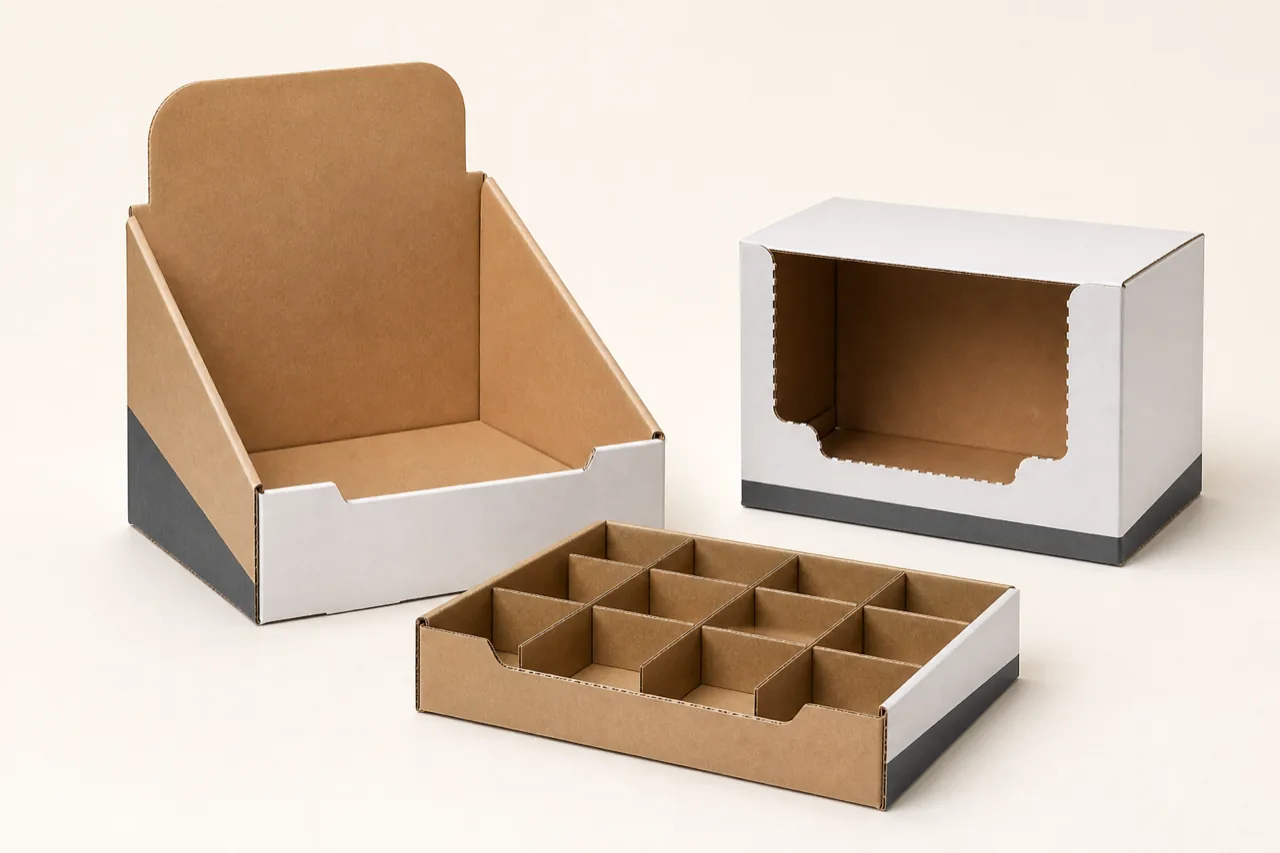
FORMAT
Counter, shelf-ready or shipper
BOARD
Corrugated or paperboard
PRINT
Inside and outside surfaces
TEST
Load, tear-away and shelf setup
QUICK ANSWER
What buyers need to specify first
Custom display boxes organize and present multiple products at retail counters, shelves or promotional areas. A reliable design coordinates the retail footprint, product arrangement, graphic header, front opening, replenishment method and shipping configuration.
When to consider another format: A display should not be specified only from the outside size. Without product samples, count, orientation and retail constraints, openings and partitions may not retain products or allow practical replenishment.
COMPARE THE PRODUCT SYSTEM
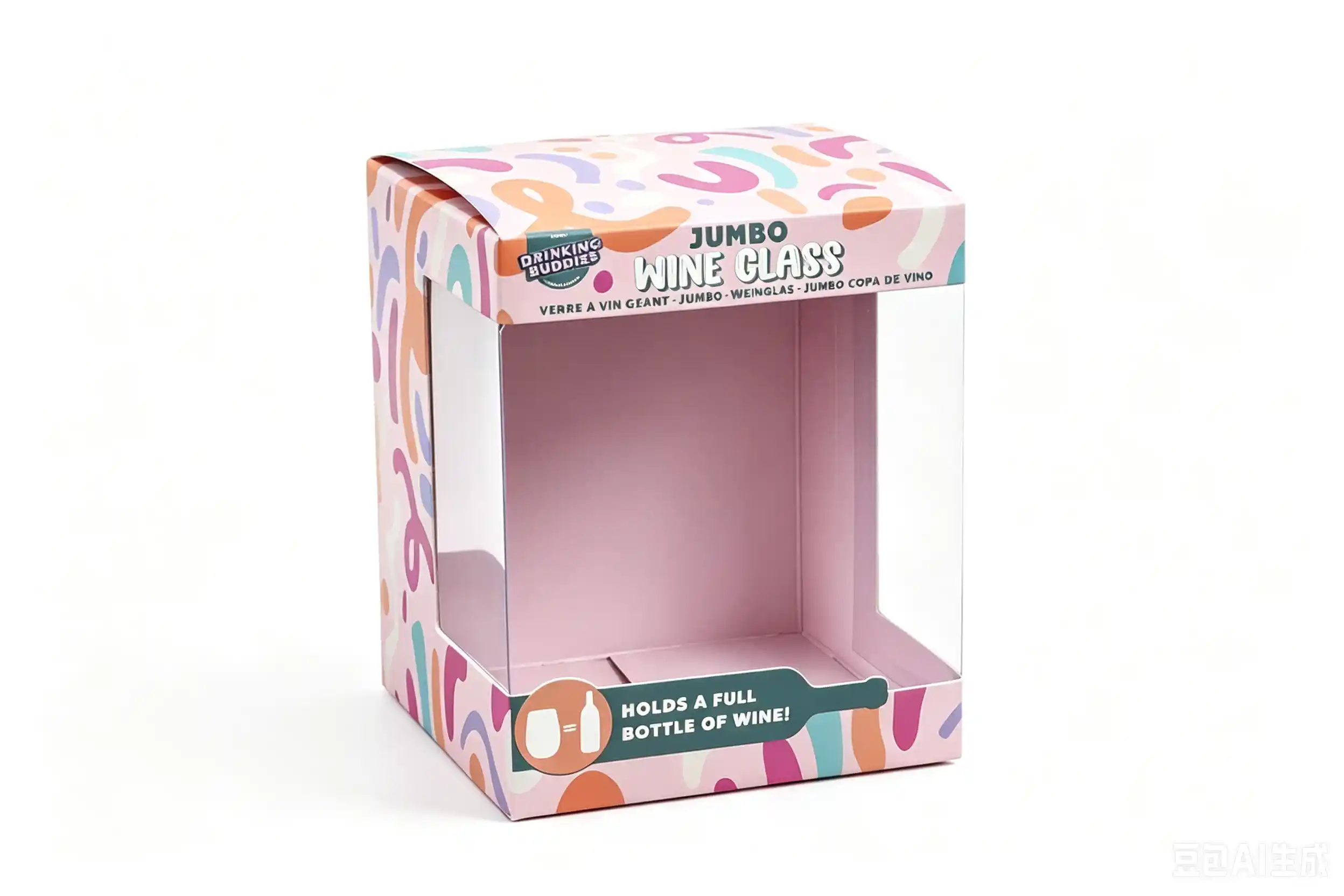
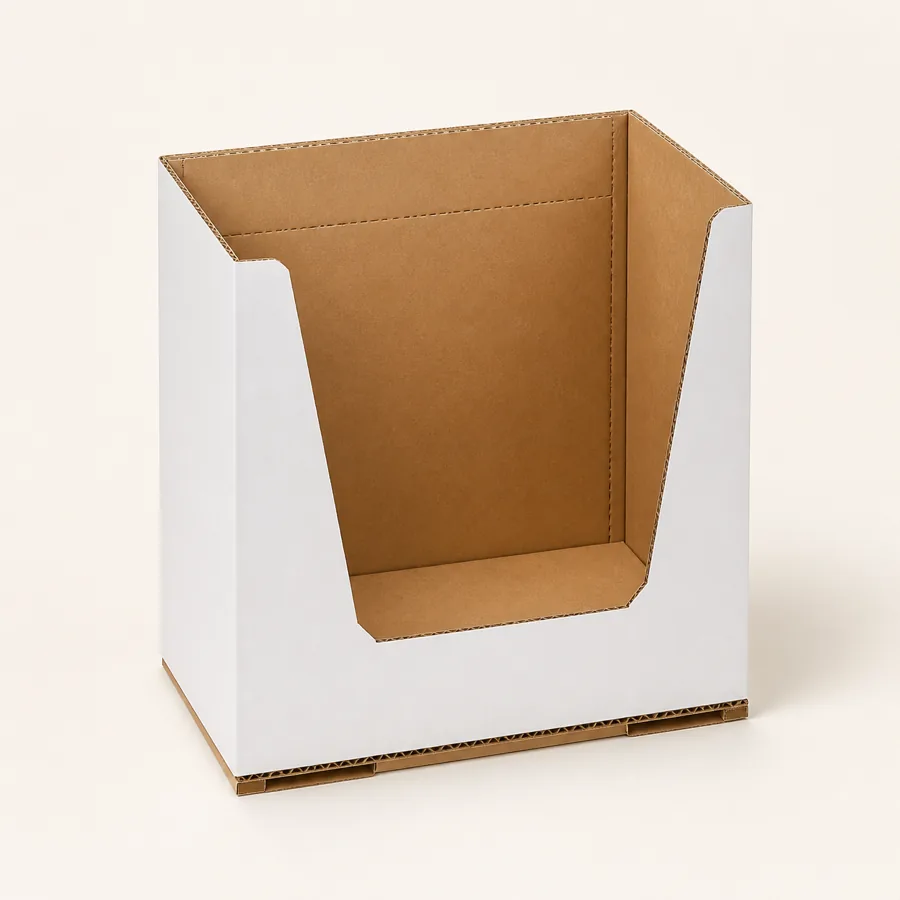
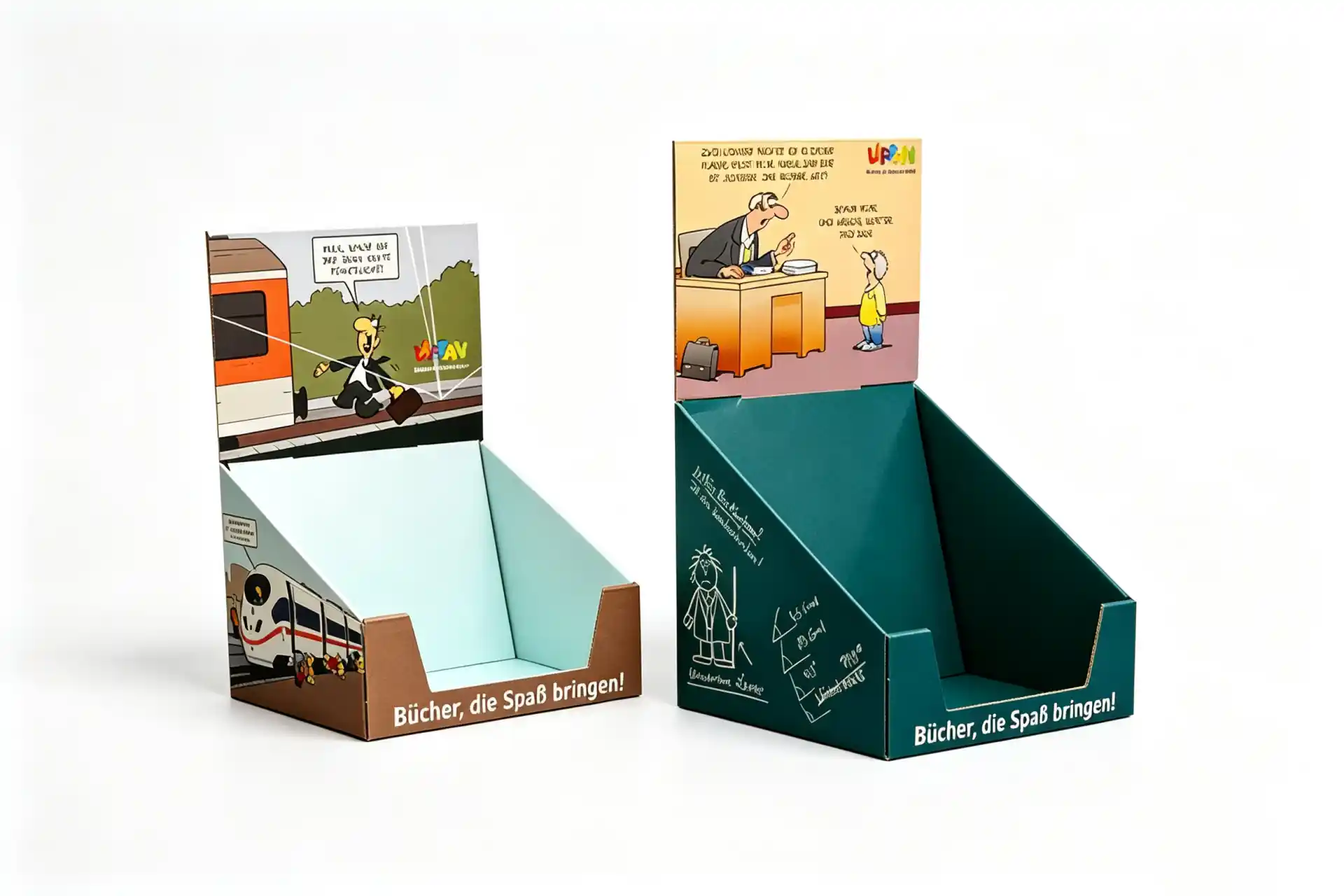
Three retail display structures
Start with the product, packing job and delivery route. Then select the structure, material and opening experience.
APPROVE THE PHYSICAL SYSTEM
Engineer the display and shipper as one system.
Build a white sample and load it with the intended quantity. Check product removal, refill speed, tipping, bowing, header stability and condition after packing into the master case. If the display is a tear-away shipper, test the opening sequence with store staff or a representative user.
- Verify dimensions: use the actual product and realistic tolerances.
- Approve handling: check assembly, loading, opening and removal.
- Record the standard: retain a signed sample and packing method.
Make four decisions before artwork
Structure
Custom display boxes organize and present multiple products at retail counters, shelves or promotional areas.
Materials
Paperboard works for compact, lightweight counter displays with fine graphics.
Print and finish
The strongest graphic zone is usually the header and front lip, while side panels can carry product benefits or instructions.
Approval
Build a white sample and load it with the intended quantity.
Custom retail display boxes, countertop display packaging and shelf-ready display boxes need a defined product count, loaded weight, shelf footprint and store setup sequence before the dieline is approved.
FROM BRIEF TO PRODUCTION
Approve the structure before the surface
01
Brief
Product, weight, quantity and route.
02
Dieline
Usable dimensions and construction.
03
Plain sample
Fit, assembly and handling.
04
Printed sample
Color, finish and production details.
05
Production
Golden sample and inspection points.
Send a quote-ready brief
Comparable quotes need the same product, structure, print, quantity, packing and delivery scope.
- Product dimensions, weight and retail quantity
- Available counter or shelf footprint
- Product orientation and removal direction
- Paperboard or corrugated preference
- Header, partitions and tear-away requirements
- Whether products ship inside the display
- Print coverage and artwork versions
How to measure packaging → · Packaging paper guide → · Custom packaging gallery →
BUYER CHECK
Do not approve from a rendering alone.
A display should not be specified only from the outside size. Without product samples, count, orientation and retail constraints, openings and partitions may not retain products or allow practical replenishment.
Ask for a structure review →FAQ
Questions buyers ask first
What is a counter display box?
It is a compact retail unit that presents multiple products on a counter or shelf, often with an open front and branded header.
Can a display box also be the shipping box?
A tear-away or retail-ready design can combine functions, but perforations, closures and the loaded pack need transit evaluation.
Should display boxes use paperboard or corrugated board?
Paperboard suits smaller light displays; corrugated construction suits larger, heavier or distribution-ready formats. Product load and footprint should drive the choice.
What information is needed before a dieline?
Provide product samples or exact dimensions, unit count, arrangement, retail footprint, shopper access, shipping method and graphic zones.
READY TO BUILD THE SPECIFICATION?
Build the quote around a real product.
Share dimensions, packed weight, quantity, destination and artwork status. We will review the structure, material and sample route before quoting.