
PRODUCT FIT AND PROTECTION
Custom Packaging Inserts for Product Protection and Presentation
Fitted paperboard, corrugated, molded-pulp and foam solutions developed with the product and outer box as one packaging system.
Best for: Bottles, jars and devices · Multi-product kits and accessories · Fragile gifts and presentation sets
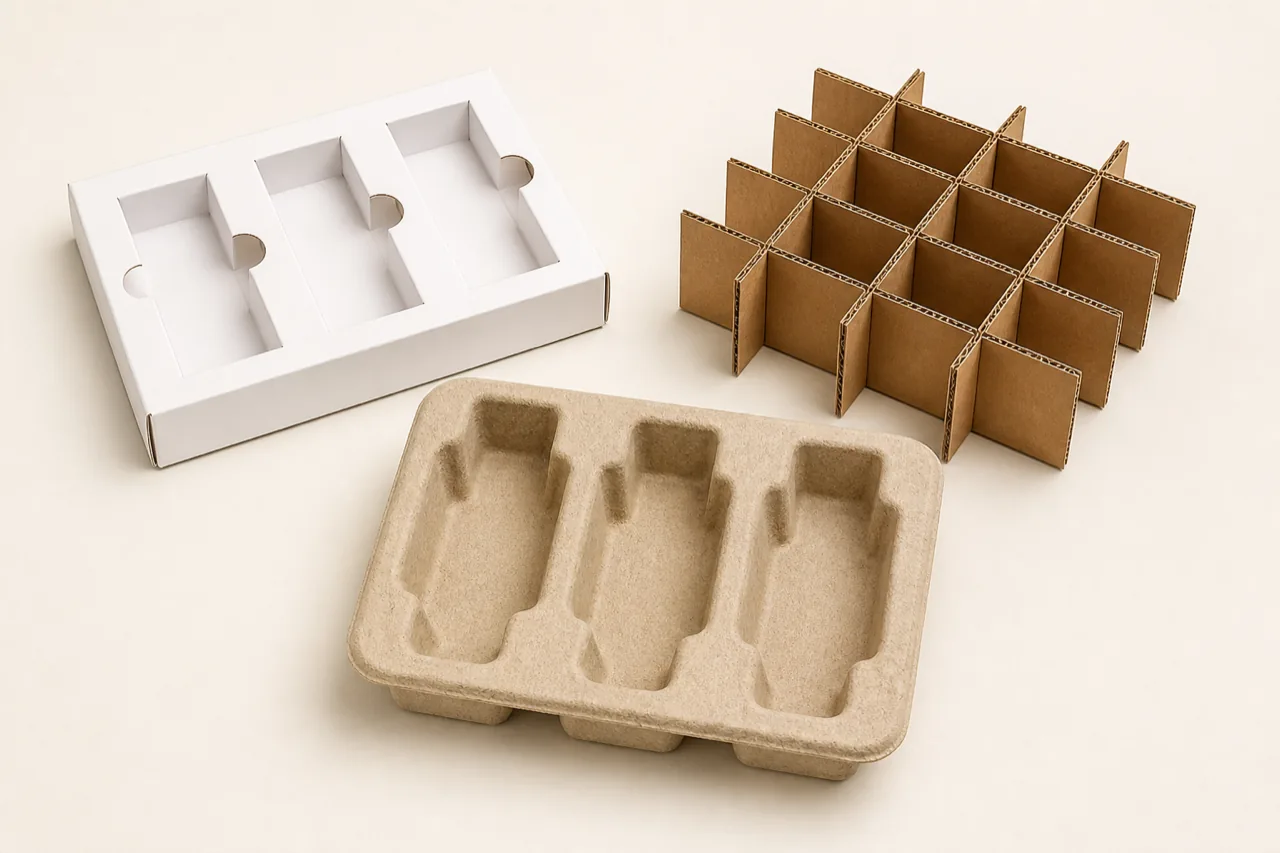
MATERIAL
Paperboard, corrugated, pulp or foam
INPUT
Verified product tolerances
ACCESS
Retention plus finger clearance
TEST
Inside the final outer box
QUICK ANSWER
What buyers need to specify first
Custom packaging inserts position products, limit movement, organize sets and control the unboxing reveal. Material and geometry should be selected using product weight, fragility, tolerances, removal force, outer-box structure and the intended end-of-life pathway.
When to consider another format: An insert should not be added only to make a box look fuller. If a close-fitting carton already protects and presents a lightweight product, extra components may add cost, packing time and material without solving a real need.
COMPARE THE PRODUCT SYSTEM
Three insert material routes
Start with the product, packing job and delivery route. Then select the structure, material and opening experience.
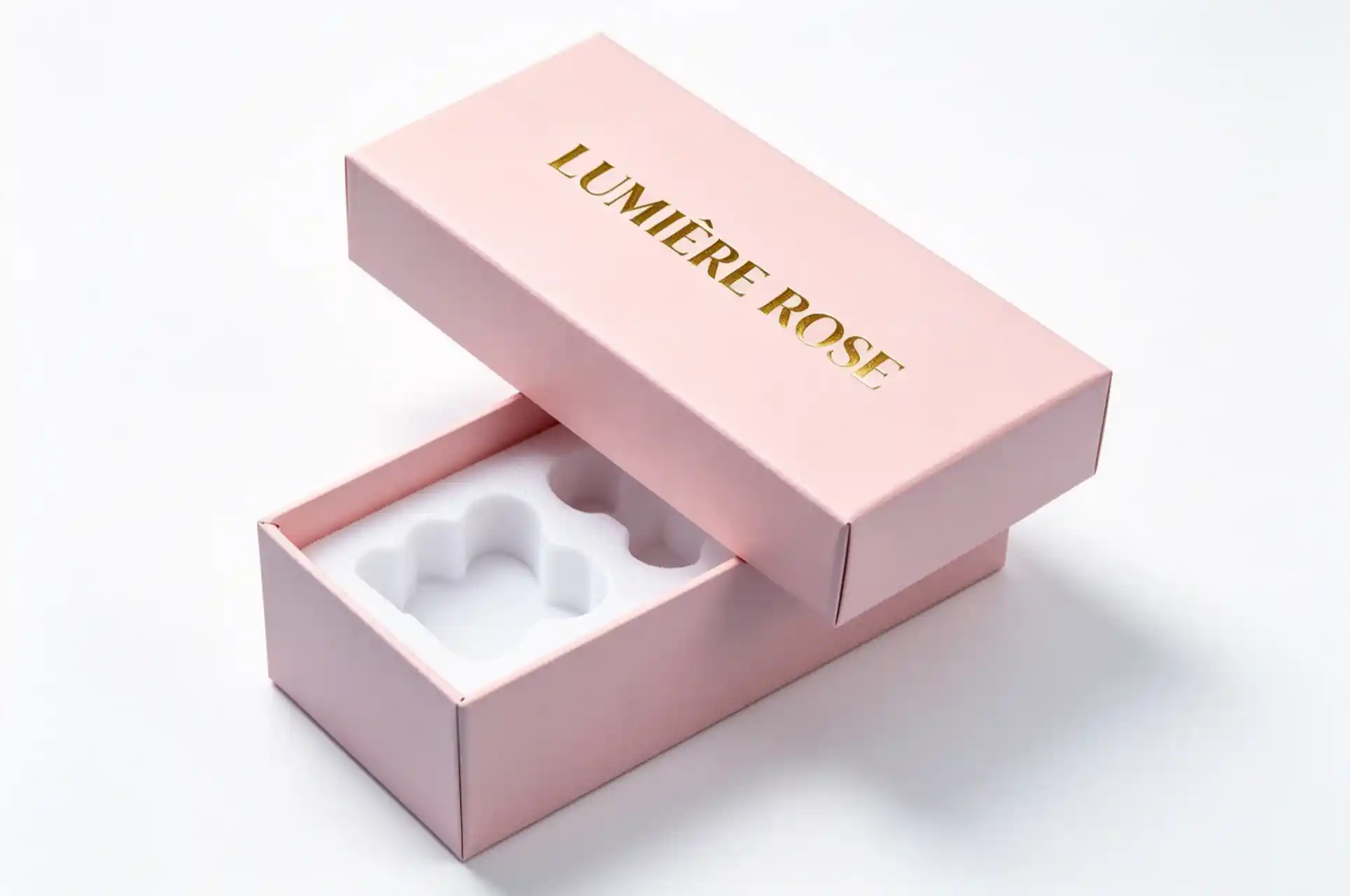
APPROVE THE PHYSICAL SYSTEM
Test the largest and smallest expected products.
Test the largest and smallest expected products, not only the nominal CAD model. Check insertion and removal force, retention after shaking, clearance from vulnerable outer panels and the result after representative drops or transport. Approve the insert inside the final box with the production packing sequence.
- Verify dimensions: use the actual product and realistic tolerances.
- Approve handling: check assembly, loading, opening and removal.
- Record the standard: retain a signed sample and packing method.
Make four decisions before artwork
Structure
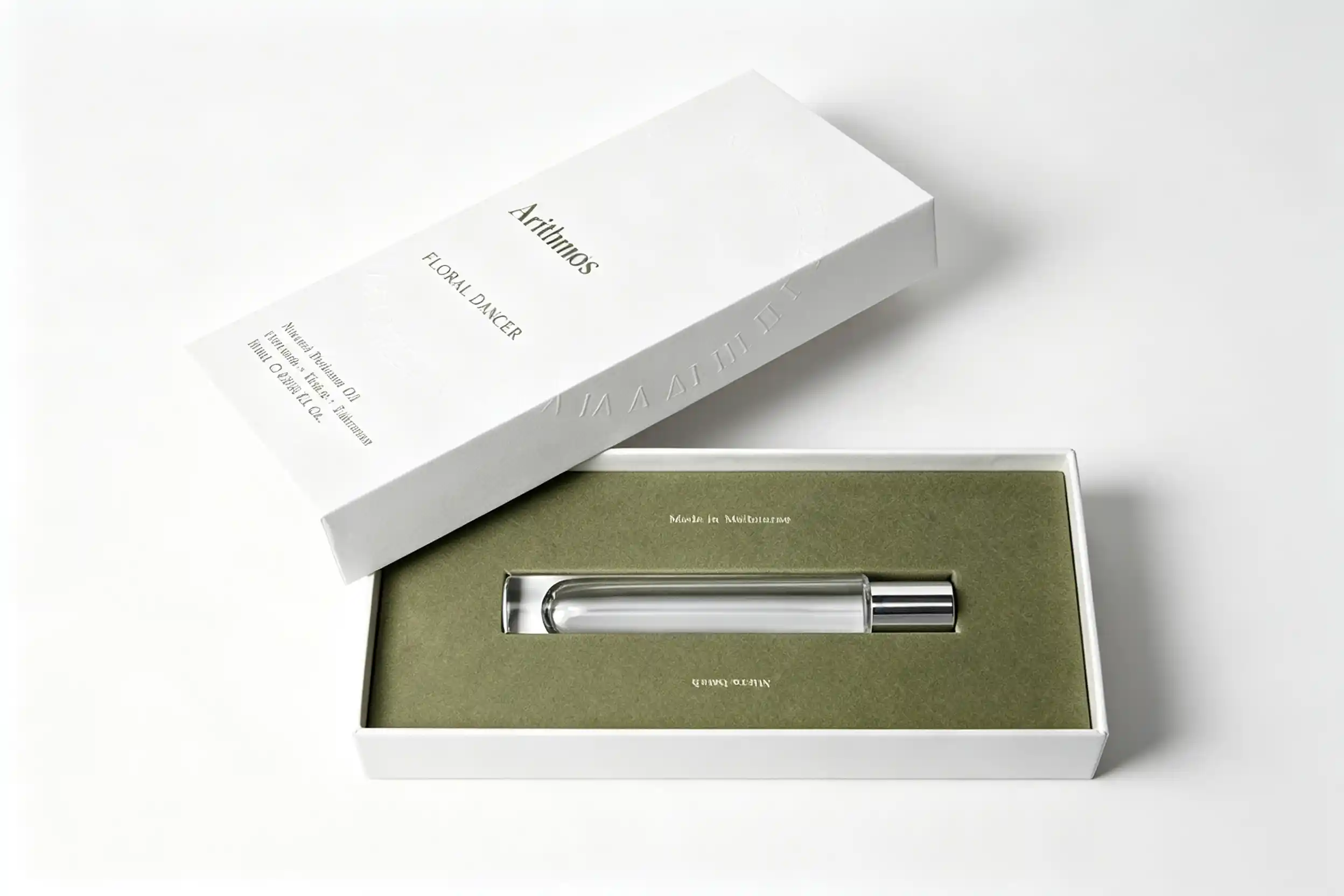
Custom packaging inserts position products, limit movement, organize sets and control the unboxing reveal.
Materials
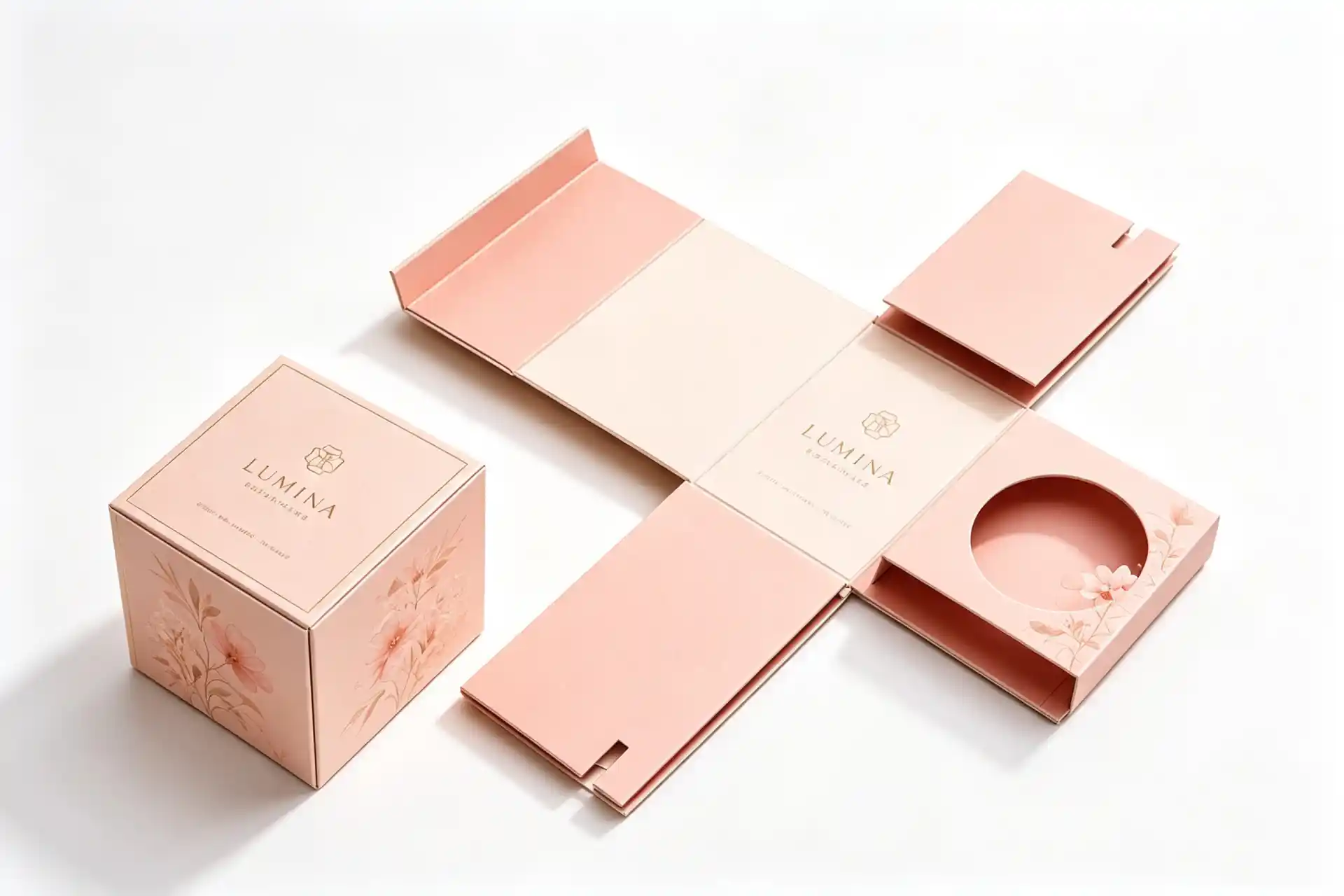
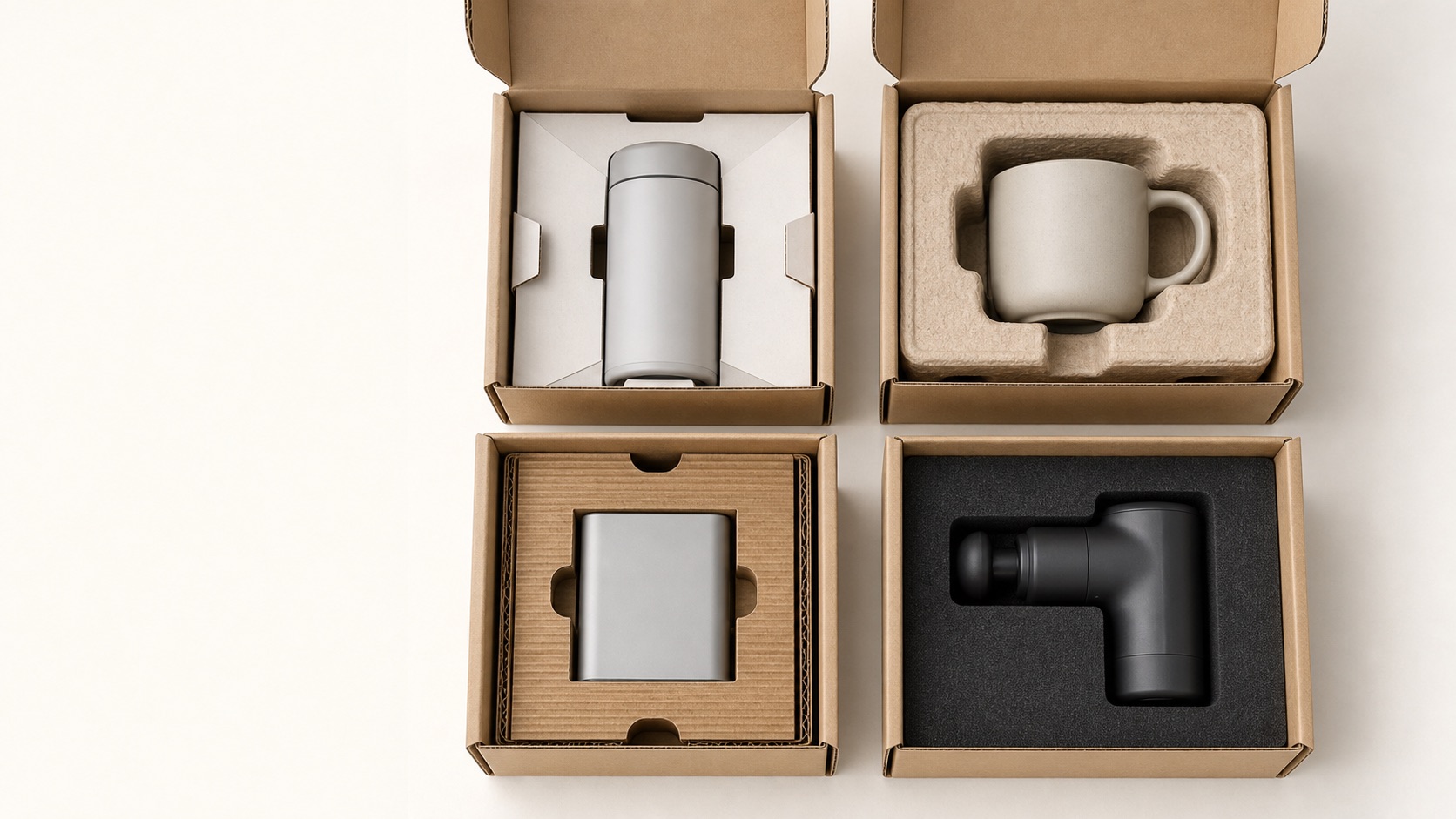
Paperboard offers printability and folded geometry; corrugated board adds caliper and edge cushioning; molded pulp creates shaped fiber forms; foam can deliver precise cavities and controlled cushioning.
Print and finish
Paperboard inserts can be printed or color-matched to the outer box.
Approval
Test the largest and smallest expected products, not only the nominal CAD model.
Custom box inserts may use paperboard packaging inserts, corrugated partitions, molded pulp packaging inserts or foam; the right route depends on product tolerance, cushioning, tooling, removal force and the outer box—not material preference alone.
FROM BRIEF TO PRODUCTION
Approve the structure before the surface
01
Brief
Product, weight, quantity and route.
02
Dieline
Usable dimensions and construction.
03
Plain sample
Fit, assembly and handling.
04
Printed sample
Color, finish and production details.
05
Production
Golden sample and inspection points.
Send a quote-ready brief
Comparable quotes need the same product, structure, print, quantity, packing and delivery scope.
- Product drawings, samples and dimensional tolerances
- Weight, fragility and vulnerable areas
- Outer-box internal dimensions and structure
- Product orientation and desired reveal
- Preferred material or end-of-life goal
- Required cavities, accessory wells and finger notches
- Quantity and delivery destination
Detailed insert material comparison → · Custom rigid boxes → · Custom cosmetic boxes →
BUYER CHECK
Do not approve from a rendering alone.
An insert should not be added only to make a box look fuller. If a close-fitting carton already protects and presents a lightweight product, extra components may add cost, packing time and material without solving a real need.
Ask for a structure review →FAQ
Questions buyers ask first
Which packaging insert material is best?
There is no universal best material. Paperboard, corrugated, molded pulp and foam solve different combinations of fit, cushioning, appearance, tooling and end-of-life priorities.
Can paperboard inserts hold heavy products?
They can support many products when folds, locks and load paths are engineered correctly. Heavy or fragile items may require corrugated, pulp, foam or a combined solution.
Do you need the physical product?
A physical sample is preferred when tolerances, caps, labels or irregular shapes affect fit. Verified drawings can begin development, but the final sample should be approved with real products.
Can one insert fit several product sizes?
Sometimes adjustable tabs or shared cavities can support a product family, but excessive compromise may reduce retention or presentation. Test every intended SKU.
READY TO BUILD THE SPECIFICATION?
Build the quote around a real product.
Share dimensions, packed weight, quantity, destination and artwork status. We will review the structure, material and sample route before quoting.