Custom Packaging Cost Guide: 9 Factors That Affect Price
Learn the nine factors that affect custom packaging cost, including box style, material, size, printing, finishes, quantity, inserts and shipping.
Custom packaging cost changes when the specification changes. Compare suppliers only after they quote the same dimensions, structure, board, print coverage, finish, quantity, assembly state, packing and delivery term. A lower number can reflect a different package rather than a lower price for the same work.
This guide explains the cost mechanism behind each major factor. It does not provide universal box prices or percentage allocations.
1. Dimensions and sheet yield
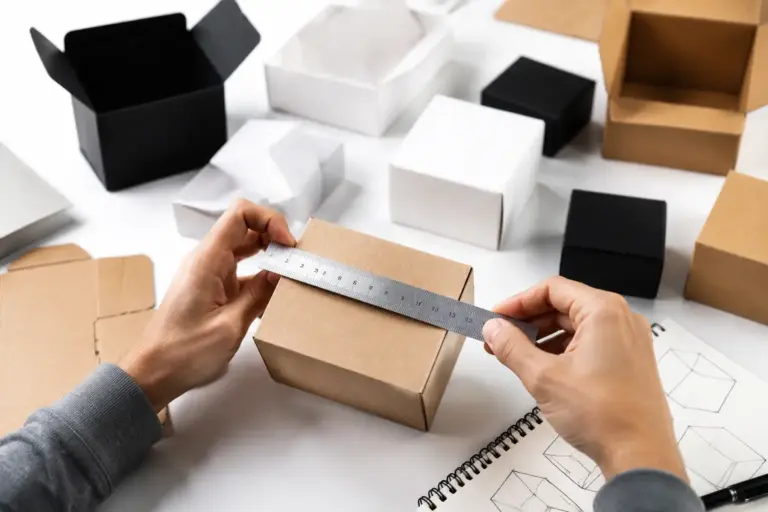
Box dimensions determine the flat blank, not only the assembled volume. A small panel change can alter how many blanks fit on a press sheet or corrugated board. Poor nesting increases trim waste and material per unit.
Buyer control: confirm usable internal dimensions, product orientation and necessary clearance. Ask whether a small size adjustment improves sheet yield without compromising fit.
2. Structure and conversion steps
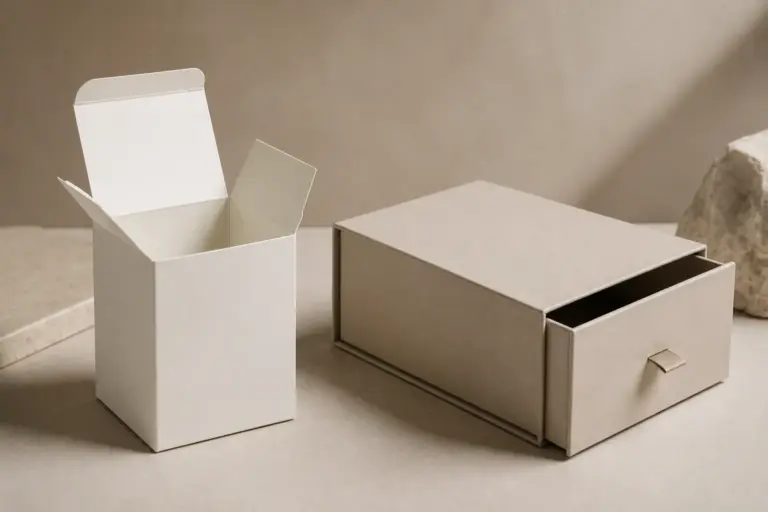
A straight-tuck carton, auto-bottom carton, rigid lid-and-base box and insert set require different dies, folds, gluing, wrapping and assembly. More components and hand operations generally create more setup and labor.
Buyer control: choose the simplest structure that meets protection, packing and presentation requirements. Review custom folding cartons when a flat paperboard format fits the job.
3. Board grade, caliper and flute
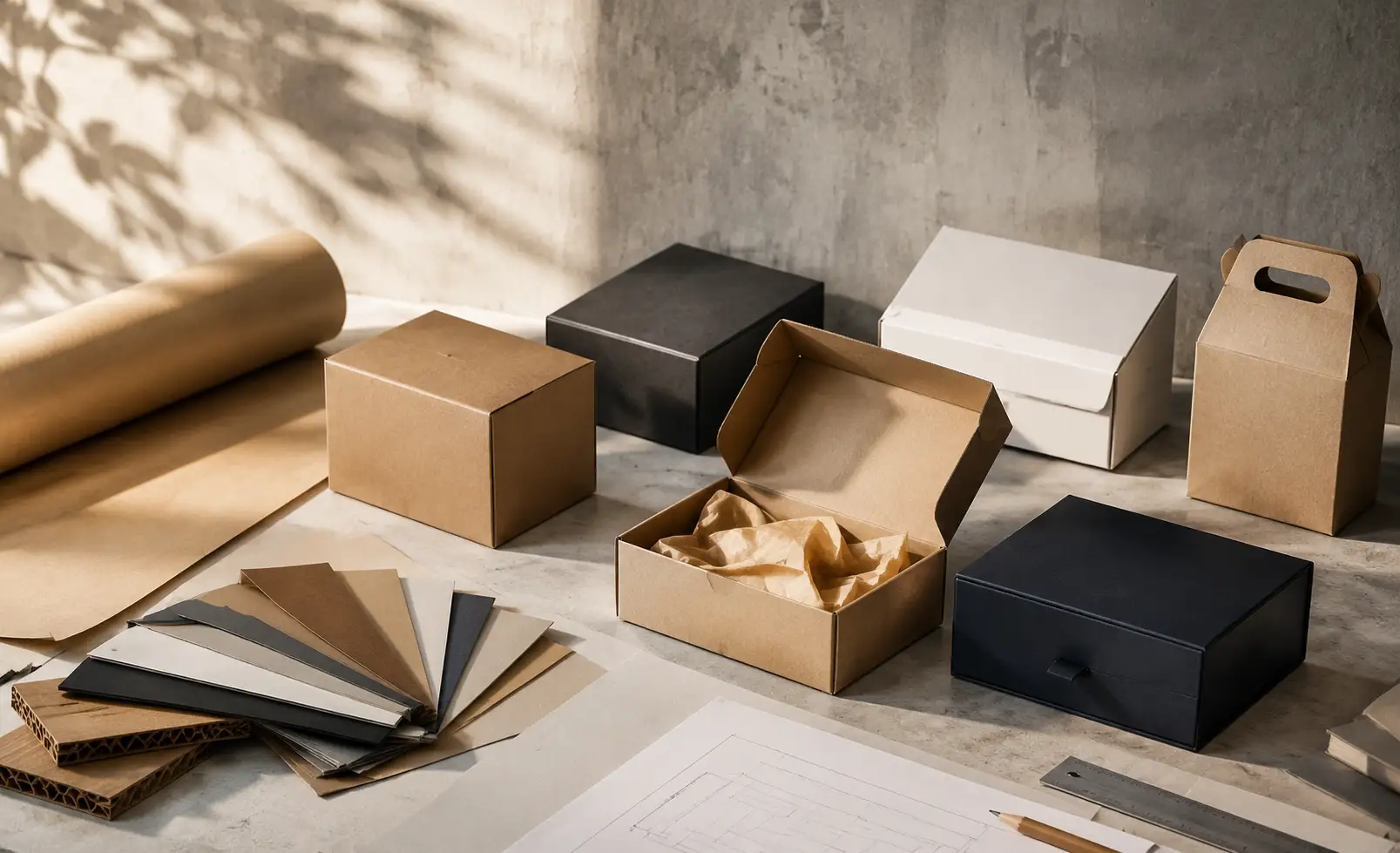
Material cost depends on grade, thickness, surface, recycled-content or fiber requirements, purchasing quantity and availability. Higher caliper is not automatically better; the board must fit the structure, product weight, print process and folds.
Buyer control: specify the performance and appearance needed, then compare named materials. The packaging paper guide explains common terminology.
4. Printing method and make-ready
Offset printing can include plates, ink setup and press make-ready. Digital printing can reduce conventional setup but may have different sheet, substrate and unit economics. Number of artwork versions also matters.
Buyer control: provide quantity by version, print coverage, colors and approval requirements. Ask the supplier to identify the process being quoted.
5. Print coverage and color control
Large solid areas, inside printing, spot colors, fine registration and demanding proof requirements can add material, setup, inspection or waste. A one-color logo and a full-coverage dark design are not equivalent because both use “printing.”
Buyer control: separate essential brand colors from decorative coverage and provide the controlling artwork and color reference.
6. Finishing and tooling
Foil, embossing, debossing, spot UV, lamination, specialty coatings and windows can add dies, screens, setup, registration and extra passes. Finish placement near folds or glue areas may also affect production.
Buyer control: specify the effect, area and tolerance. Remove finishes that do not support hierarchy, durability or the intended opening experience.
7. Inserts and accessories
An insert adds material, tooling, cavities, assembly and packing. Paperboard, corrugated, molded pulp and foam have different production routes. Ribbons, magnets, windows and multi-piece sets add component and placement control.
Buyer control: send the real product and define retention, removal and protection. Simplifying the cavity or component count may reduce both cost and packing time.
8. Quantity, versions and MOQ
Setup is distributed across the production quantity, but the total order is not always the quantity used for every operation. Separate sizes, structures, colors or artwork versions may require separate setup.
Buyer control: compare total price, unit price, inventory exposure and the next efficient quantity tier. Use the packaging MOQ guide for the broader sourcing logic.
9. Assembly, packing and shipping
Flat folding cartons, assembled rigid boxes and complete product sets occupy different volume and require different labor. Inner packing, protective film, master-carton quantity, palletization and delivery terms can materially change the final comparison.
Buyer control: state whether the pack ships flat or assembled, units per carton, destination and commercial term. The air versus sea freight guide owns the transport-method comparison.
Cost-comparison checklist
Before choosing a quote, align:
- internal dimensions and tolerances;
- structure and components;
- board grade/caliper or flute;
- print process, coverage and versions;
- finishing and tooling;
- insert and assembly;
- quantity and over/under-run terms;
- samples and approval scope;
- packing state and carton configuration; and
- freight, duty and delivery term where included.
The correct cost question is not “What does a custom box cost?” It is “What does this approved specification cost at this quantity, packing state and delivery scope?”