10 Packaging Design Trends for 2026
Explore 10 practical packaging design trends for 2026, including sustainability, minimalism, premium finishes, smart packaging and e-commerce design.
The useful question is not which packaging style looks current. It is which design or sourcing direction changes the specification, production route, evidence requirement or total pack performance. The ten items below are an editorial watchlist for 2026, not a ranked market forecast. PackagingFor has not assigned adoption rates to them.
1. Material efficiency is becoming a design requirement
Right-sizing starts with the packed product, not a promise to “use less.” Buyers should compare internal dimensions, board grade, panel layout, insert volume and packing method. A lighter package is not an improvement if it creates damage, unstable stacking or poor product retention.
Buyer implication: ask the supplier to identify which dimensions, components or board choices can change without weakening the agreed performance.
2. Environmental claims are moving closer to the specification
“Sustainable” does not tell a converter what to manufacture. Recycled content, fiber sourcing, recyclability and material reduction are different claims with different evidence needs. A paper-based pack may also contain film, foil, foam, magnets, windows, adhesives or coatings that affect the finished construction.
Use the packaging paper guide to compare board terminology, then document the exact claim and supporting material records. Do not infer that one material label proves the environmental performance of the complete package.
3. Simpler graphics are shifting attention to execution
Reduced color palettes and larger areas of unprinted or lightly printed board leave less room for production variation to hide. Paper shade, surface uniformity, ink density, registration, scuffing and glue contamination can become more visible.
Minimal graphics are therefore not automatically cheaper or easier. The artwork may use fewer elements while demanding tighter control of the remaining ones.
4. Tactile finishes are being used more selectively
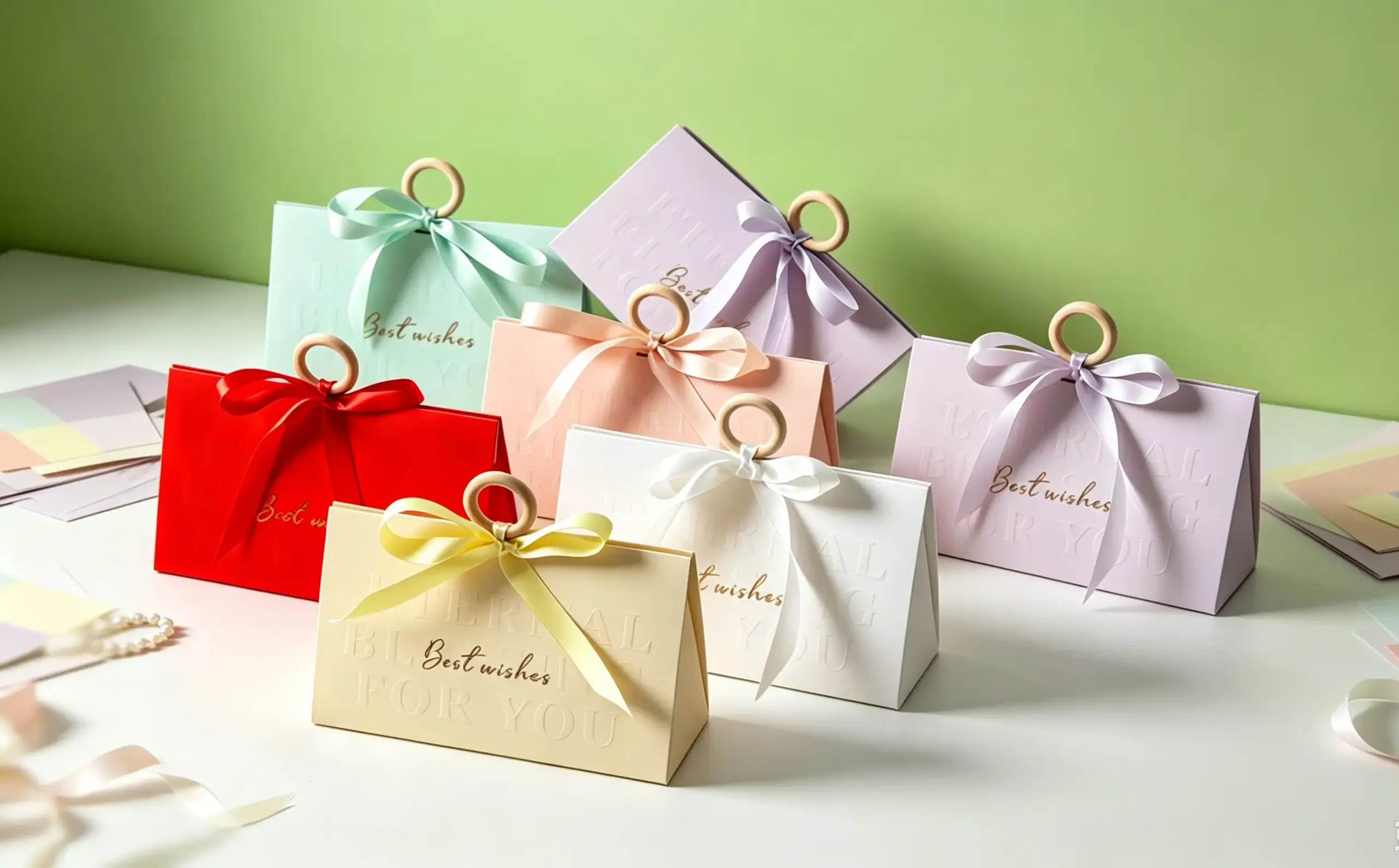
Foil, embossing, debossing, spot UV, textured paper and soft-touch surfaces can create hierarchy without changing the box structure. Each process adds artwork, tooling, registration, handling or durability questions.
Specify the finished effect, location, tolerance and approved reference. A finish should survive folding, assembly, packing and expected handling—not only look correct on a digital rendering.
5. Ecommerce packaging is being designed from the delivery route backward
A retail carton and a ship-ready mailer answer different protection questions. For ecommerce, the buyer may need to define compression, closure, opening, void space, insert retention, label area and whether an outer shipping carton remains necessary.
The trend is not simply “more mailer boxes.” It is closer alignment between product protection, fulfillment labor and the delivery route.
6. Inserts are being treated as part of the packaging system
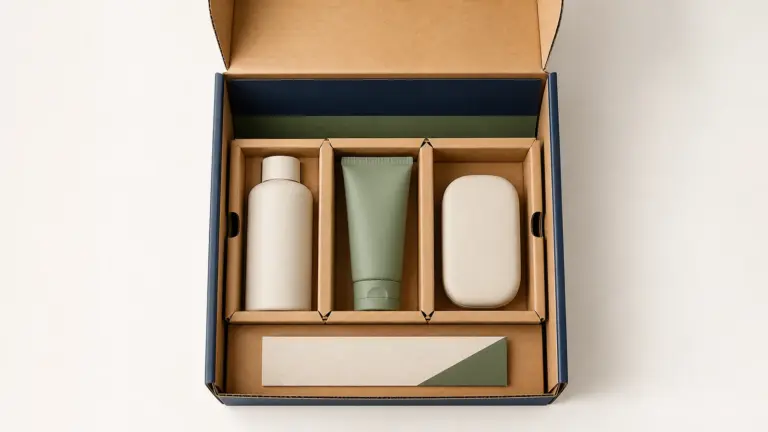
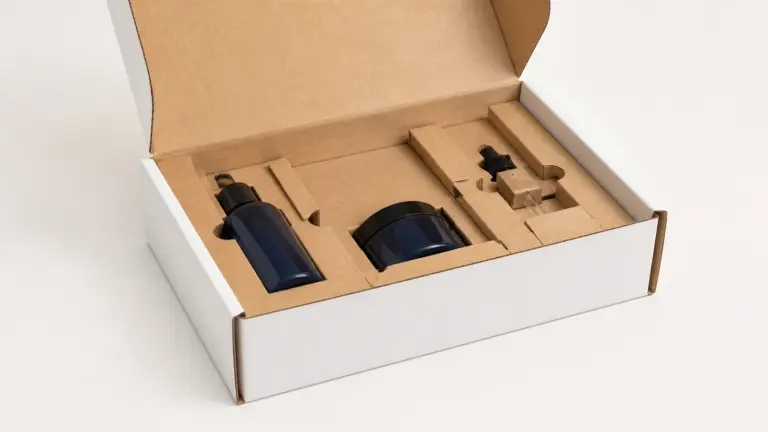
An insert controls movement, presentation and removal. It can also change the outer-box dimensions, packing time and material mix. Paperboard, corrugated, molded pulp and foam do not provide the same cushioning or assembly behavior.
Approve the product, insert and outer box together. An insert designed from a photograph or nominal product dimension can fail when the real product, accessories and packing orientation are introduced.
7. SKU variation is influencing print-process decisions
More artwork versions can change plate requirements, make-ready, proofing, sorting and minimum quantities. Digital printing may help when variable content or short versioned runs matter; offset may make more sense when the production quantity, substrate and finishing route justify its setup.
The choice must be made from the complete job. No universal quantity breakpoint applies to every supplier or structure.
8. Connected packaging is being judged as an information system
QR codes and other variable elements are useful only when the content, destination, revision and verification method are controlled. A visually present code is not necessarily readable after printing, coating, folding or scuffing.
Define ownership of the linked content and test the production result at the size, contrast and surface actually used.
9. Premium presentation is separating from material excess
A rigid box is not the only route to a controlled opening or high-value presentation. Folding cartons can use structure, paper, print hierarchy and one deliberate finish to create a strong retail result with less assembled volume.
Compare folding and rigid formats using product weight, protection, opening sequence, unit cost, assembly and freight volume. The folding carton versus rigid box guide owns that structural comparison.
10. Approval records are becoming part of the design process
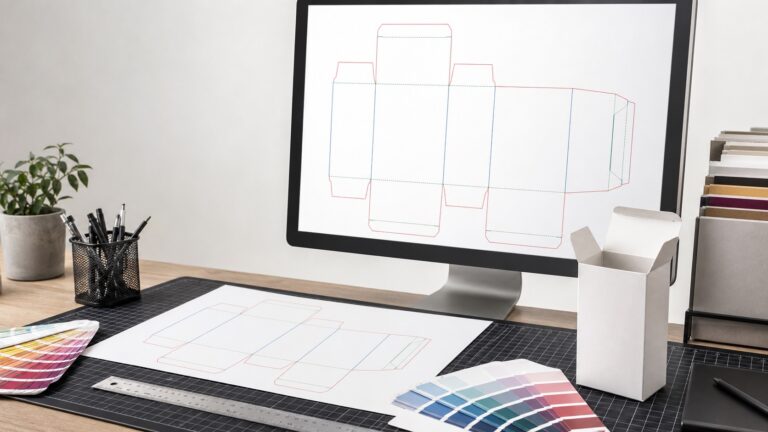
As structures, finishes and SKU versions become more complex, a rendering is not enough. Buyers need controlled dielines, artwork revisions, material descriptions, physical samples where appropriate and a defined approval record.
For beauty applications, the custom cosmetic packaging guide connects container fit, secondary packaging, inserts and finishing decisions.
How to use this watchlist
Select a direction only if it improves a defined requirement. Ask what changes in the dieline, board, print process, finish, insert, packing method, evidence file or delivered volume. If the answer is only that the package will look more current, the project is not yet specified well enough for production. The product-packaging buyer’s guide provides the wider product-to-delivery decision sequence.