Air Freight vs Sea Freight for Custom Packaging
Compare air and sea freight for custom packaging by speed, cost, chargeable weight and order size, then choose the right method for your shipment.
Once your custom packaging is finished, the next important decision is how to ship it.
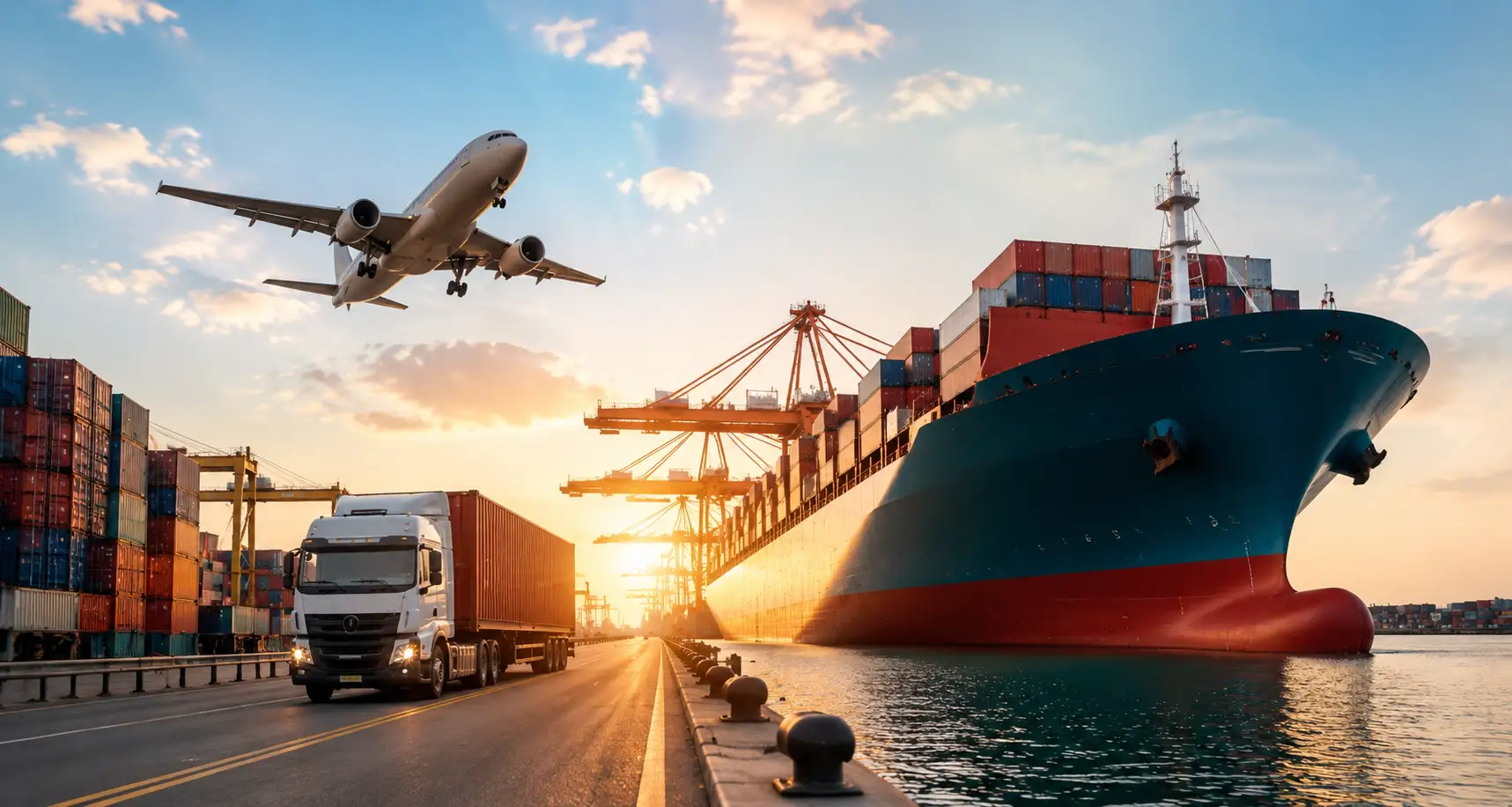
For international packaging orders, the two most common transportation methods are air freight and sea freight. Each has its own advantages, costs, and delivery times.
Choosing the right shipping method can help reduce logistics costs, improve delivery efficiency, and ensure your products arrive safely.
This guide explains the differences between air freight and sea freight, helping you choose the most suitable option for your packaging project.
Quick Answer
Air freight is generally better for small, urgent or high-value packaging shipments, while sea freight is usually more economical for larger, less time-sensitive orders. The right choice depends on chargeable weight, shipment volume, destination, required delivery date and total landed cost.
Why Shipping Matters
Shipping is often one of the largest costs in custom packaging, especially for international orders.
The right shipping method can help you:
- Reduce transportation costs
- Meet product launch deadlines
- Improve inventory planning
- Minimize shipping risks
- Balance speed and budget
Before placing an order, consider not only the packaging price but also the total landed cost.
What Is Air Freight?
Air freight transports goods by airplane.
It is the fastest international shipping method and is ideal for urgent orders or products with tight deadlines.
Advantages of Air Freight
- Fast delivery (typically 3–10 days)
- Reliable flight schedules
- Lower risk of moisture damage
- Better for urgent projects
- Faster customs clearance in many countries
Disadvantages of Air Freight
- Higher shipping costs
- Chargeable weight is based on dimensional weight or actual weight, whichever is greater
- Not suitable for very large shipments
What Is Sea Freight?
Sea freight transports cargo by container ship.
It is the most economical option for large packaging orders and is widely used by importers worldwide.
Advantages of Sea Freight
- Lowest shipping cost per unit
- Suitable for large quantities
- Ideal for heavy shipments
- More environmentally efficient per kilogram transported
Disadvantages of Sea Freight
- Longer transit times
- Possible port congestion
- Weather delays
- Requires better inventory planning
Air Freight vs Sea Freight Comparison
| Feature | Air Freight | Sea Freight |
|---|---|---|
| Delivery Time | 3–10 Days | 20–45 Days |
| Shipping Cost | High | Low |
| Best For | Urgent Orders | Large Orders |
| Shipment Size | Small to Medium | Medium to Large |
| Inventory Planning | Flexible | Requires Advance Planning |
| Environmental Impact | Higher | Lower per kg |
| Customs Processing | Usually Faster | Usually Slower |
Shipping Cost Differences
Shipping costs depend on:
- Carton size
- Actual weight
- Dimensional weight
- Destination country
- Shipping season
For lightweight but bulky packaging, air freight is usually charged based on volumetric weight, which means larger cartons may cost more even if they are not heavy.
Sea freight generally charges based on cubic meters (CBM), making it much more economical for large packaging orders.
Understanding Volumetric Weight
Air freight companies calculate chargeable weight using dimensional weight formulas.
The common formula is:
Length × Width × Height (cm) ÷ 5000
For example:
Carton Size:
60 × 40 × 40 cm
Calculation:
60 × 40 × 40 ÷ 5000 = 19.2 kg
Even if the carton actually weighs only 12 kg, the shipping company will charge based on 19.2 kg because the shipment occupies more space.
Sea Freight Uses CBM
Sea freight charges are usually based on volume rather than weight.
CBM stands for Cubic Meter.
Formula:
Length × Width × Height (meters)
Example:
60 × 40 × 40 cm
= 0.60 × 0.40 × 0.40
= 0.096 CBM
This makes sea freight highly cost-effective for shipping large quantities of packaging.
When Should You Choose Air Freight?
Air freight is recommended if:
- Your packaging is urgently needed.
- You’re launching a new product.
- You need a small production run.
- Your inventory is running low.
- The shipment volume is relatively small.
Many customers choose air freight for their first production order to ensure products arrive quickly.
When Should You Choose Sea Freight?
Sea freight is recommended if:
- You’re ordering more than 500–1,000 boxes.
- You have enough inventory planning time.
- Shipping cost is a priority.
- Your products are not time-sensitive.
Most repeat customers choose sea freight because it significantly reduces logistics costs.
Can You Combine Both?
Yes.
Many brands use a combination of both shipping methods.
For example:
- Ship 200 boxes by air for an upcoming product launch.
- Ship the remaining 1,800 boxes by sea to reduce costs.
This strategy balances speed and budget.
Tips for Reducing Shipping Costs
Here are several ways to lower transportation expenses:
- Optimize packaging dimensions.
- Use flat-packed folding cartons whenever possible.
- Consolidate multiple orders into one shipment.
- Plan production early to avoid emergency air freight.
- Choose the correct carton size to reduce unused space.
Small improvements in packaging design can significantly reduce freight costs.
Frequently Asked Questions
Which shipping method is cheaper?
Sea freight is generally much cheaper than air freight, especially for large packaging orders.
Which shipping method is faster?
Air freight is the fastest option, with delivery typically taking 3–10 days, compared to 20–45 days for sea freight.
Is air freight worth the extra cost?
If your products must reach the market quickly or you risk running out of inventory, air freight can be a worthwhile investment.
Can I ship part of my order by air and the rest by sea?
Yes. Many businesses split their shipments to balance speed and cost. A small quantity is shipped by air for immediate needs, while the remainder travels by sea.
Related Packaging Guides
- Custom Box Dimensions Guide: How to Measure Packaging
- Custom Packaging Cost Guide: 9 Factors That Affect Price
- How to Choose Product Packaging: A Buyer’s Guide
Final Thoughts
Choosing between air freight and sea freight depends on your timeline, budget, order quantity, and business goals.
Air freight offers unmatched speed and flexibility, making it ideal for urgent projects and smaller shipments. Sea freight, on the other hand, provides the best value for larger orders, helping businesses reduce transportation costs while maintaining efficient supply chains.
At Shenzhen Ron & An Technology Co., Ltd., we help customers choose the most cost-effective shipping solution based on their order size, destination, and delivery schedule. Whether you need fast air freight for a product launch or economical sea freight for bulk production, our team is ready to assist you from manufacturing to worldwide delivery.