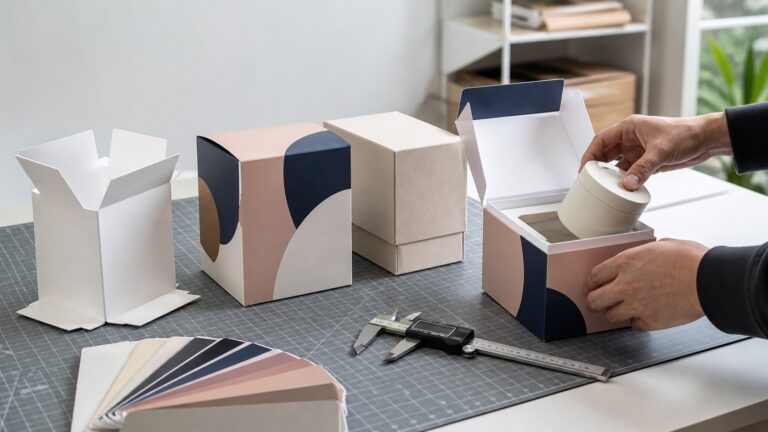
Folding Carton Crease Cracking: Causes, Diagnosis and Prevention
Diagnose folding carton crease cracking by board, grain, ink coverage, coating, tooling, conditioning and production sequence.
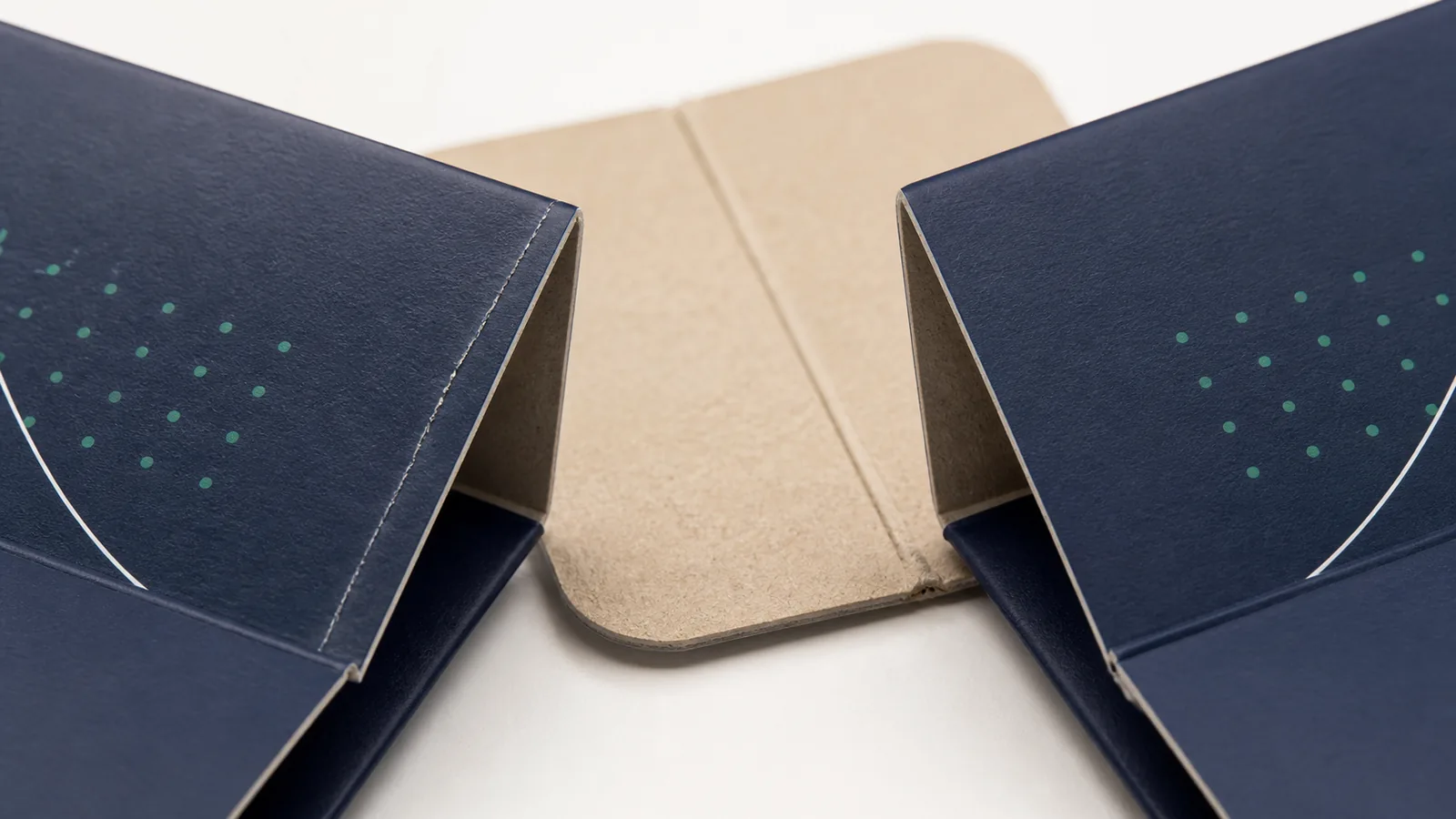
Crease cracking is easiest to see on a dark printed carton: a pale, broken line appears along the fold after the blank is erected. The artwork may have passed on a flat proof and the die-cut sheet may look acceptable, yet the surface fails when the board bends.
The defect rarely has one cause. Board construction, grain direction, moisture, ink and coating coverage, crease geometry, make-ready and folding sequence interact. Replacing the board with something “thicker” can make the problem worse if the tooling remains unchanged. A useful investigation keeps the failed production sample and changes one controlled variable at a time.
First confirm what is cracking
Not every visible line at a fold is the same failure. Inspect the carton under normal viewing light and magnification if needed.
- Surface coating or ink fracture: the printed layer breaks and exposes a lighter line.
- Fiber cracking: fibers split at the outer radius of the fold and may create a rough edge.
- Delamination: paperboard plies separate near the crease.
- Score burst or collapse: the crease channel deforms unevenly rather than folding along a controlled hinge.
- Rub whitening: the surface lightens from abrasion but the fold itself remains intact.
Record the panel, fold direction, inside or outside surface, artwork coverage and point in production when the defect first appears. A sample that cracks during hand erection points to a different condition than one that leaves the folder-gluer clean and fails after packing.
Grain direction changes the fold
Paperboard bends differently with and across its machine direction. Long carton folds are often arranged with grain direction in mind, but sheet yield, artwork layout or an unrecorded substrate change can put a critical crease in a less favorable orientation.
Ask the converter to mark grain direction on the approved dieline and sample. If cracking appears only on folds running one way, compare an alternate sheet layout before changing several other variables. Grain direction can also affect panel stiffness and carton squareness, so the final decision must consider the complete structure rather than the visible fold alone.
Board caliper and bulk must match the crease
Creasing displaces material so a thick sheet can fold around a controlled hinge. Rule height, rule width, channel width, channel depth and make-ready should suit the actual board. A generic setup used across several grades may produce an acceptable fold on one and a cracked or crushed fold on another.
This is one reason GSM cannot stand in for caliper. A substitute board can meet the same basis weight while presenting a different thickness, bulk and surface. PackagingFor’s GSM vs PT paperboard guide explains the measurement boundary.
When a material changes, review:
- named grade and mill specification;
- nominal GSM and caliper range;
- ply construction and surface treatment;
- grain direction;
- score rule and channel combination;
- expected conditioning before conversion.
Do not approve a material substitution solely from a white swatch or a weight figure.
Dark solids reveal more than light artwork
Large dark areas make minor surface fracture highly visible. Heavy ink film, multiple passes, UV coatings, film lamination, foil or other finishing around the fold can change flexibility. A pale unprinted prototype may therefore approve geometry while hiding the likely production defect.
Map high-risk folds during artwork review. If a solid color must cross a crease, include that condition in the production proof. Possible design responses include moving the color break, reducing coverage at the exact hinge or choosing a finish that tolerates the fold, but those are appearance decisions to be tested—not automatic fixes.
A digital proof on unrelated stock cannot approve crease performance. The relevant sample uses the intended board, print sequence, coating and die-cut setup.
Moisture and conditioning can change the result
Paperboard responds to its environment. Material that is unusually dry may become less tolerant of folding; excessive moisture can affect stiffness, dimensions and converting. Rapid movement between storage and production conditions can add variability.
The correct conditioning range depends on the grade and plant process. Record where the board was stored, how long it was in the converting area and whether failures cluster by pallet, time or shift. Keep samples from both acceptable and failed production. That comparison is more useful than a general statement that “humidity caused it.”
If the problem appears seasonally or after transport between climates, include conditioning in the corrective-action trial. Do not add moisture informally without material and process control.
The converting sequence matters
Printing and finishing can change the sheet before it reaches the die cutter. Die cutting establishes the crease, while folder-gluer rails and belts bend it again. Hand packers may then reverse-fold or open the carton beyond the intended angle.
Trace the defect through the line:
- inspect printed sheets before die cutting;
- inspect flat blanks immediately after die cutting;
- fold sample creases by hand in the intended direction;
- inspect blanks after folder-gluer pre-breaking;
- erect cartons using the normal packing method;
- inspect loaded cartons after case packing and distribution simulation.
This sequence identifies when the fracture begins. A defect visible before folding is not solved by changing the packing instruction. A clean die-cut crease that fails only after aggressive reverse folding suggests a handling or line-setting issue.
Diagnose with a controlled trial
Changing board, ink, coating and tooling at the same time may produce a better sample but no reliable explanation. Build a small trial matrix around the evidence.
Start with the approved production construction and one failed sample. Then isolate likely variables: grain orientation, crease channel, board lot, print coverage, coating or conditioning. Use the same carton dimensions and erection method. Photograph and label every version.
Agree on acceptance before the trial. “Looks better” is not enough for a dark retail carton. Define viewing distance and light, allowable surface break, carton squareness, closure function and product fit. The strongest-looking fold is not acceptable if an aggressive crease weakens the panel or changes dimensions.
Prevent cracking during specification and prepress
Crease performance is easier to control before the artwork and material are locked. The specification should identify the board grade, nominal caliper, grain direction, print coverage at folds, coating or lamination and sample approval route.
During prepress:
- keep critical small text and barcodes away from folds;
- flag dark solids crossing major creases;
- identify glue and closure zones;
- use the converter’s production dieline;
- keep dieline, material and artwork revisions linked;
- require disclosure before material or finish substitution.
PackagingFor’s dieline and prepress checklist covers the broader artwork handoff. These controls do not guarantee a crack-free carton, but they ensure the known risk reaches the people selecting tools and approving samples.
Questions to ask when a crease fails
Is thicker paperboard less likely to crack?
Not necessarily. A thicker sheet needs suitable crease geometry and may be less tolerant if the existing tooling is retained. Grade, surface, grain and conditioning also matter.
Can the printer hide the white line with more ink?
More ink does not repair a mechanical fracture and may make the surface less flexible. Diagnose the fold and finishing system first.
Why did the blank sample pass but production fail?
The blank may have used different board, moisture, print coverage or finishing. It may also have been folded slowly by hand rather than through the production sequence.
Does scoring deeper solve the problem?
An adjusted crease may help, but an overly aggressive setup can crush the board or affect dimensions. The die maker and converter should match the rule and channel to the exact material.
Keep the failed sample in the approval record
PackagingFor develops custom folding cartons around the selected board, artwork and converting route. When cracking occurs, the fastest useful brief includes an unaltered failed carton, the approved good sample, material lot, dieline revision and production sequence. That evidence gives the converter a real defect to reproduce and correct instead of a photograph with no process history.